面向长时间运行的应用开发的框架设计
Harness design for long-running application development
段落导航
Written by Prithvi Rajasekaran, a member of our Labs team.
作者:Prithvi Rajasekaran,我们 Labs 团队的成员。
Over the past several months I’ve been working on two interconnected problems: getting Claude to produce high-quality frontend designs, and getting it to build complete applications without human intervention.
在过去的几个月里,我一直在研究两个相互关联的问题:让 Claude 产出高质量的前端设计,以及让它无需人工干预就能构建完整的应用。
This work originated with earlier efforts on our frontend design skill and long-running coding agent harness, where my colleagues and I were able to improve Claude’s performance well above baseline through prompt engineering and harness design—but both eventually hit ceilings.
这项工作源自我们早前在前端设计技能和长时间运行的编码智能体框架(harness)上的努力;在那里,我和同事通过提示词工程和框架设计,把 Claude 的表现提升到了远高于基线的水平——但两者最终都触到了天花板。
To break through, I sought out novel AI engineering approaches that held across two quite different domains, one defined by subjective taste, the other by verifiable correctness and usability.
为了突破,我寻找了新颖的 AI 工程方法,这些方法要在两个相当不同的领域中都成立:一个由主观品味定义,另一个则由可验证的正确性和可用性定义。
Taking inspiration from Generative Adversarial Networks (GANs), I designed a multi-agent structure with a generator and evaluator agent.
受生成对抗网络(GANs)启发,我设计了一种包含生成器智能体和评估器智能体的多智能体结构。
Building an evaluator that graded outputs reliably—and with taste—meant first developing a set of criteria that could turn subjective judgments like “is this design good?” into concrete, gradable terms.
要构建一个可靠——且有品味——地给输出打分的评估器,首先需要制定一套标准,把“这个设计好不好?”这类主观判断转化为具体、可打分的条目。
I then applied these techniques to long-running autonomous coding, carrying over two lessons from our earlier harness work: decomposing the build into tractable chunks, and using structured artifacts to hand off context between sessions.
随后我把这些技术应用到长时间运行的自主编码中,并沿用了早前框架工作中的两条经验:把构建分解成可处理的块,以及使用结构化产物在会话之间交接上下文。
The final result was a three-agent architecture—planner, generator, and evaluator—that produced rich full-stack applications over multi-hour autonomous coding sessions.
最终的结果是一个三智能体架构——规划器、生成器和评估器——它能在长达数小时的自主编码会话中产出丰富的全栈应用。
We've previously shown that harness design has a substantial impact on the effectiveness of long running agentic coding.
我们此前已经表明,框架设计对长时间运行的智能体编码的效果有重大影响。
In an earlier experiment, we used an initializer agent to decompose a product spec into a task list, and a coding agent that implemented the tasks one feature at a time before handing off artifacts to carry context across sessions.
在早前的一项实验中,我们用一个初始化智能体把产品规格分解为任务列表,并用一个编码智能体逐个功能地实现这些任务,然后交接产物以跨会话携带上下文。
The broader developer community has converged on similar insights, with approaches like the "Ralph Wiggum" method using hooks or scripts to keep agents in continuous iteration cycles.
更广泛的开发者社区也得出了类似的见解,例如“Ralph Wiggum”方法使用 hook 或脚本让智能体保持在持续迭代循环中。
But some problems remained persistent.
但有些问题依然顽固存在。
For more complex tasks, the agent still tends to go off the rails over time.
对于更复杂的任务,智能体仍会随着时间推移而偏离正轨。
While decomposing this issue, we observed two common failure modes with agents executing these sorts of tasks.
在拆解这个问题时,我们观察到智能体执行这类任务时两种常见的失败模式。
First is that models tend to lose coherence on lengthy tasks as the context window fills (see our post on context engineering).
首先,随着上下文窗口(context window)被填满,模型在冗长任务上往往会失去连贯性(参见我们关于上下文工程(context engineering)的文章)。
Some models also exhibit "context anxiety," in which they begin wrapping up work prematurely as they approach what they believe is their context limit.
有些模型还会表现出“上下文焦虑(context anxiety)”,即当它们接近自认为的上下文上限时,会过早开始收尾工作。
Context resets—clearing the context window entirely and starting a fresh agent, combined with a structured handoff that carries the previous agent's state and the next steps—addresses both these issues.
上下文重置(context resets)——完全清空上下文窗口并启动一个全新的智能体(agent),并结合结构化交接,该交接承载前一个智能体的状态和后续步骤——能同时解决这两个问题。
This differs from compaction, where earlier parts of the conversation are summarized in place so the same agent can keep going on a shortened history.
这与压缩(compaction)不同,压缩是在原地总结对话的较早部分,使同一个智能体可以依靠缩短后的历史继续推进。
While compaction preserves continuity, it doesn't give the agent a clean slate, which means context anxiety can still persist.
虽然压缩保留了连续性,但它没有给智能体一个全新的起点,这意味着上下文焦虑仍可能持续存在。
A reset provides a clean slate, at the cost of the handoff artifact having enough state for the next agent to pick up the work cleanly.
重置提供了一个全新的起点,代价是交接产物必须包含足够的状态,让下一个智能体能够顺利接手工作。
In our earlier testing, we found Claude Sonnet 4.5 exhibited context anxiety strongly enough that compaction alone wasn't sufficient to enable strong long task performance, so context resets became essential to the harness design.
在我们早期的测试中,我们发现 Claude Sonnet 4.5 表现出的上下文焦虑强烈到仅靠压缩不足以实现出色的长任务表现,因此上下文重置成为 harness 设计的关键。
This solves the core issue, but adds orchestration complexity, token overhead, and latency to each harness run.
这解决了核心问题,但给每次 harness 运行增加了编排(orchestration)复杂度、token 开销和延迟。
A second issue, which we haven’t previously addressed, is self-evaluation.
第二个问题,也是我们此前没有解决的,是自我评估(self-evaluation)。
When asked to evaluate work they've produced, agents tend to respond by confidently praising the work—even when, to a human observer, the quality is obviously mediocre.
当被要求评估自己产出的作品时,智能体往往会自信地称赞该作品——即使对人类观察者而言,质量明显平庸。
This problem is particularly pronounced for subjective tasks like design, where there is no binary check equivalent to a verifiable software test.
这个问题在像设计这样的主观任务上尤为明显,因为不存在等同于可验证软件测试的二元检查。
Whether a layout feels polished or generic is a judgment call, and agents reliably skew positive when grading their own work.
一个布局是显得精致还是平庸,属于主观判断,而智能体在给自己的作品评分时,总是会偏向正面。
However, even on tasks that do have verifiable outcomes, agents still sometimes exhibit poor judgment that impedes their performance while completing the task.
然而,即使在确实有可验证结果的任务上,智能体有时仍会表现出糟糕的判断,从而妨碍它们在完成任务时的表现。
Separating the agent doing the work from the agent judging it proves to be a strong lever to address this issue.
将执行工作的智能体与评判工作的智能体分离,被证明是解决这一问题的有力杠杆。
The separation doesn't immediately eliminate that leniency on its own; the evaluator is still an LLM that is inclined to be generous towards LLM-generated outputs.
这种分离本身并不会立刻消除那种宽容;评估器(evaluator)仍然是一个 LLM,倾向于对 LLM 生成的输出宽容。
But tuning a standalone evaluator to be skeptical turns out to be far more tractable than making a generator critical of its own work, and once that external feedback exists, the generator has something concrete to iterate against.
但将独立的评估器调校得具有怀疑精神,远比让生成器(generator)对自己的工作持批判态度更容易实现;而且一旦有了这种外部反馈,生成器就有了具体的依据来进行迭代。
I started by experimenting on frontend design, where the self-evaluation issue was most visible.
我从前端设计(frontend design)入手进行实验,因为在那里自我评估问题最为明显。
Absent any intervention, Claude normally gravitates toward safe, predictable layouts that are technically functional but visually unremarkable.
在没有任何干预的情况下,Claude 通常会倾向于安全、可预测的布局——这些布局在技术上可用,但视觉上平平无奇。
Two insights shaped the harness I built for frontend design.
两个洞见塑造了我为前端设计构建的 harness。
First, while aesthetics can’t be fully reduced to a score—and individual tastes will always vary—they can be improved with grading criteria that encode design principles and preferences.
首先,虽然美学无法完全化约为一个分数——而且个人品味总会不同——但它可以通过编码设计原则和偏好的评分标准来改进。
"Is this design beautiful?" is hard to answer consistently, but "does this follow our principles for good design?" gives Claude something concrete to grade against.
“这个设计美吗?”很难一致地回答,但“它是否符合我们关于优秀设计的原则?”给了 Claude 一些具体的评分依据。
Second, by separating frontend generation from frontend grading, we can create a feedback loop that drives the generator toward stronger outputs.
其次,通过将前端生成与前端评分分离,我们可以创建一个反馈循环,推动生成器产出更强的结果。
With this in mind, I wrote four grading criteria that I gave to both the generator and evaluator agents in their prompts:
带着这个想法,我写了四条评分标准,并在提示词中同时给到生成器和评估器智能体:
Design quality: Does the design feel like a coherent whole rather than a collection of parts?
设计质量:设计是否感觉像一个连贯的整体,而不是各部分拼凑的集合?
Strong work here means the colors, typography, layout, imagery, and other details combine to create a distinct mood and identity.
这里的出色作品意味着颜色、字体排印、布局、图像和其他细节结合在一起,营造出独特的氛围和识别度。
Originality: Is there evidence of custom decisions, or is this template layouts, library defaults, and AI-generated patterns?
原创性:是否有自定义决策的痕迹,还是模板布局、库默认值和 AI 生成的模式?
A human designer should recognize deliberate creative choices.
人类设计师应当能识别出有意为之的创意选择。
Unmodified stock components—or telltale signs of AI generation like purple gradients over white cards—fail here.
未经修改的现成组件——或 AI 生成的可疑迹象,比如白色卡片上的紫色渐变——在此不合格。
Craft: Technical execution: typography hierarchy, spacing consistency, color harmony, contrast ratios.
工艺:技术执行:字体层级、间距一致性、色彩和谐、对比度。
This is a competence check rather than a creativity check.
这是能力检查,而不是创造力检查。
Most reasonable implementations do fine here by default; failing means broken fundamentals.
大多数合理的实现默认在这里表现不错;不合格意味着基础存在缺陷。
Functionality: Usability independent of aesthetics.
功能性:独立于美学之外的可用性。
Can users understand what the interface does, find primary actions, and complete tasks without guessing?
用户能否理解界面是做什么的、找到主要操作,并在无需猜测的情况下完成任务?
I emphasized design quality and originality over craft and functionality.
我更强调设计质量和原创性,而非工艺和功能性。
Claude already scored well on craft and functionality by default, as the required technical competence tended to come naturally to the model.
Claude 默认在工艺和功能性上已经得分很好,因为所需的技术能力往往对模型来说很自然。
But on design and originality, Claude often produced outputs that were bland at best.
但在设计和原创性上,Claude 经常生成充其量只是平淡无奇的输出。
The criteria explicitly penalized highly generic “AI slop” patterns, and by weighting design and originality more heavily it pushed the model toward more aesthetic risk-taking.
这些标准明确惩罚高度通用的“AI slop”模式,而且通过更重地加权设计和原创性,它推动模型进行更多美学上的冒险。
I calibrated the evaluator using few-shot examples with detailed score breakdowns.
我用带有详细评分细项的少样本(few-shot)示例来校准评测器。
This ensured the evaluator’s judgment aligned with my preferences, and reduced score drift across iterations.
这确保评测器的判断与我的偏好一致,并减少了跨迭代的分数漂移。
I built the loop on the Claude Agent SDK, which kept the orchestration straightforward.
我把这个循环构建在 Claude Agent SDK 上,这让编排保持直接明了。
A generator agent first created an HTML/CSS/JS frontend based on a user prompt.
一个生成器智能体首先根据用户提示词创建 HTML/CSS/JS 前端。
I gave the evaluator the Playwright MCP, which let it interact with the live page directly before scoring each criterion and writing a detailed critique.
我把 Playwright MCP 交给评测器,让它能够先直接与实时页面交互,再对每条准则评分并写出详细批评。
In practice, the evaluator would navigate the page on its own, screenshotting and carefully studying the implementation before producing its assessment.
在实践中,评测器会自行浏览页面,在给出评估之前截图并仔细研究实现。
That feedback flowed back to the generator as input for the next iteration.
那份反馈会回流给生成器,作为下一次迭代的输入。
I ran 5 to 15 iterations per generation, with each iteration typically pushing the generator in a more distinctive direction as it responded to the evaluator's critique.
每次生成我运行 5 到 15 次迭代,每次迭代通常会推动生成器朝着更具辨识度的方向前进,因为它会回应评测器的批评。
Because the evaluator was actively navigating the page rather than scoring a static screenshot, each cycle took real wall-clock time.
由于评测器是在主动浏览页面,而不是给静态截图评分,每个循环都要耗费真实时间(wall-clock time)。
Full runs stretched up to four hours.
完整运行曾长达四小时。
I also instructed the generator to make a strategic decision after each evaluation: refine the current direction if scores were trending well, or pivot to an entirely different aesthetic if the approach wasn't working.
我还指示生成器在每次评估后做出策略性决定:如果分数趋势良好,就细化当前方向;如果这个方法行不通,就转向一种完全不同的美学方向。
Across runs, the evaluator's assessments improved over iterations before plateauing, with headroom still remaining.
在多次运行中,评测器的评估会随迭代改善,随后趋于平台期,但仍有余量。
Some generations refined incrementally.
有些生成结果逐步细化。
Others took sharp aesthetic turns between iterations.
另一些则在迭代之间发生了急剧的美学转向。
The wording of the criteria steered the generator in ways I didn't fully anticipate.
准则的措辞以我并未完全预料到的方式引导着生成器。
Including phrases like "the best designs are museum quality" pushed designs toward a particular visual convergence, suggesting that the prompting associated with the criteria directly shaped the character of the output.
加入诸如“最好的设计是博物馆级品质”这样的短语,会把设计推向某种特定的视觉趋同,这表明与准则相关的提示词直接影响输出作品的特征。
While scores generally improved over iterations, the pattern was not always cleanly linear.
虽然分数总体上随迭代提高,但这一模式并不总是干净的线性关系。
Later implementations tended to be better as a whole, but I regularly saw cases where I preferred a middle iteration over the last one.
较晚的实现总体上往往更好,但我经常看到一些情况:比起最后一次迭代,我更喜欢中间某次迭代。
Implementation complexity also tended to increase across rounds, with the generator reaching for more ambitious solutions in response to the evaluator’s feedback.
实现复杂度也往往随轮次增加,生成器会回应评测器的反馈,去追求更宏大的解决方案。
Even on the first iteration, outputs were noticeably better than a baseline with no prompting at all, suggesting the criteria and associated language themselves steered the model away from generic defaults before any evaluator feedback led to further refinement.
即使在第一次迭代,输出也明显好于完全没有提示词的基线,这表明在任何评测器反馈带来进一步细化之前,准则及相关语言本身就让模型偏离了通用默认结果。
In one notable example, I prompted the model to create a website for a Dutch art museum.
在一个值得注意的例子中,我提示模型为一个荷兰艺术博物馆创建网站。
By the ninth iteration, it had produced a clean, dark-themed landing page for a fictional museum.
到第九次迭代时,它已经为一个虚构博物馆生成了干净、深色主题的落地页(landing page)。
The page was visually polished but largely in line with my expectations.
页面在视觉上很精致,但大体符合我的预期。
Then, on the tenth cycle, it scrapped the approach entirely and reimagined the site as a spatial experience: a 3D room with a checkered floor rendered in CSS perspective, artwork hung on the walls in free-form positions, and doorway-based navigation between gallery rooms instead of scroll or click.
然后,在第十个循环,它完全抛弃了原来的方案,把网站重新构想为一种空间体验:一个有棋盘格地面的 3D 房间,用 CSS 透视渲染;艺术品以自由形式的位置挂在墙上;画廊房间之间通过门洞导航,而不是滚动或点击。
It was the kind of creative leap that I hadn't seen before from a single-pass generation.
这是那种我此前从未在单次生成中见过的创造性飞跃。
With these findings in hand, I applied this GAN-inspired pattern to full-stack development.
有了这些发现,我将这种受 GANs 启发的模式应用到了全栈开发中。
The generator-evaluator loop maps naturally onto the software development lifecycle, where code review and QA serve the same structural role as the design evaluator.
生成器-评估器循环自然地映射到软件开发生命周期,其中代码审查和 QA 扮演着与设计评估器相同的结构性角色。
In our earlier long-running harness, we had solved for coherent multi-session coding with an initializer agent, a coding agent that worked one feature at a time, and context resets between sessions.
在我们早先的长期运行框架中,我们通过一个初始化智能体、一个一次只处理一个功能的编码智能体,以及会话之间的上下文重置,解决了连贯的多会话编码问题。
Context resets were a key unlock: the harness used Sonnet 4.5, which exhibited the “context anxiety” tendency mentioned earlier.
上下文重置是一个关键突破:该框架使用的是 Sonnet 4.5,它表现出了前面提到的「上下文焦虑」倾向。
Creating a harness that worked well across context resets was key to keeping the model on task.
创建一个能在上下文重置之间良好运作的框架,是让模型保持任务专注的关键。
Opus 4.5 largely removed that behavior on its own, so I was able to drop context resets from this harness entirely.
Opus 4.5 本身基本消除了这种行为,因此我能够从这个框架中完全去掉上下文重置。
The agents were run as one continuous session across the whole build, with the Claude Agent SDK's automatic compaction handling context growth along the way.
这些智能体在整个构建过程中作为一个连续会话运行,由 Claude Agent SDK 的自动压缩处理沿途的上下文增长。
For this work I built on the foundation from the original harness with a three-agent system, with each agent addressing a specific gap I'd observed in prior runs.
对于这项工作,我在原始框架的基础上构建了一个三智能体系统,每个智能体解决我在先前运行中观察到的一个特定缺口。
The system contained the following agent personas:
该系统包含以下智能体角色:
Planner: Our previous long-running harness required the user to provide a detailed spec upfront.
规划器(Planner):我们之前的长期运行框架要求用户预先提供详细规格。
I wanted to automate that step, so I created a planner agent that took a simple 1-4 sentence prompt and expanded it into a full product spec.
我想自动化这一步,因此创建了一个规划器智能体,它接收简单的 1-4 句提示词,并将其扩展为完整的产品规格。
I prompted it to be ambitious about scope and to stay focused on product context and high level technical design rather than detailed technical implementation.
我提示它在范围上要有野心,并专注于产品上下文和高层技术设计,而不是详细的技术实现。
This emphasis was due to the concern that if the planner tried to specify granular technical details upfront and got something wrong, the errors in the spec would cascade into the downstream implementation.
这种强调是出于一种担忧:如果规划器试图预先指定细粒度的技术细节并弄错了某些东西,规格中的错误会级联到下游实现中。
It seemed smarter to constrain the agents on the deliverables to be produced and let them figure out the path as they worked.
更聪明的做法是约束智能体要产出的交付物,并让它们在工作过程中自行找出路径。
I also asked the planner to find opportunities to weave AI features into the product specs.
我还要求规划器寻找机会,将 AI 功能编织进产品规格中。
(See example in the Appendix at the bottom.)
(参见底部附录中的示例。)
Generator: The one-feature-at-a-time approach from the earlier harness worked well for scope management.
生成器:早先框架中一次只处理一个功能的方法,在范围管理方面效果很好。
I applied a similar model here, instructing the generator to work in sprints, picking up one feature at a time from the spec.
我在这里应用了类似的模式,指示生成器以冲刺(sprint)方式工作,一次从规格中领取一个功能。
Each sprint implemented the app with a React, Vite, FastAPI, and SQLite (later PostgreSQL) stack, and the generator was instructed to self-evaluate its work at the end of each sprint before handing off to QA.
每个冲刺都使用 React、Vite、FastAPI 和 SQLite(后来是 PostgreSQL)技术栈实现该应用,并且生成器被指示在每个冲刺结束时、交接给 QA 之前对其工作进行自评估。
It also had git for version control.
它也有 git 用于版本控制。
Evaluator: Applications from earlier harnesses often looked impressive but still had real bugs when you actually tried to use them.
评估器:来自早先框架的应用往往看起来令人印象深刻,但当你真正尝试使用它们时,仍然存在真实 bug。
To catch these, the evaluator used the Playwright MCP to click through the running application the way a user would, testing UI features, API endpoints, and database states.
为了捕捉这些问题,评估器使用 Playwright MCP 以用户的方式点击运行中的应用,测试 UI 功能、API 端点和数据库状态。
It then graded each sprint against both the bugs it had found and a set of criteria modeled on the frontend experiment, adapted here to cover product depth, functionality, visual design, and code quality.
然后,它根据发现的 bug 以及一套仿照前端实验(frontend experiment)的标准,对每个冲刺进行评分,并在这里调整为覆盖产品深度、功能、视觉设计和代码质量。
Each criterion had a hard threshold, and if any one fell below it, the sprint failed and the generator got detailed feedback on what went wrong.
每个标准都有一个硬性阈值,如果任何一项低于阈值,该冲刺就失败,生成器会得到关于哪里出错的详细反馈。
Before each sprint, the generator and evaluator negotiated a sprint contract: agreeing on what "done" looked like for that chunk of work before any code was written.
在每个冲刺之前,生成器和评估器会协商一份冲刺合同:在编写任何代码之前,就该部分工作的「完成」标准达成一致。
This existed because the product spec was intentionally high-level, and I wanted a step to bridge the gap between user stories and testable implementation.
之所以有这个步骤,是因为产品规格有意保持高层级,而我希望有一个步骤来弥合用户故事与可测试实现之间的差距。
The generator proposed what it would build and how success would be verified, and the evaluator reviewed that proposal to make sure the generator was building the right thing.
生成器提出它将构建什么以及如何验证成功,评估器审查该提案以确保生成器构建的是正确的东西。
The two iterated until they agreed.
两者反复迭代,直到达成一致。
Communication was handled via files: one agent would write a file, another agent would read it and respond either within that file or with a new file that the previous agent would read in turn.
沟通通过文件进行:一个智能体会写一个文件,另一个智能体会读取它,并在该文件内回复,或者用一个新文件回复,而前一个智能体会依次读取该新文件。
The generator then built against the agreed-upon contract before handing the work off to QA.
然后生成器根据商定的契约进行构建,再将工作交给 QA。
This kept the work faithful to the spec without over-specifying implementation too early.
这使工作忠实于规格,而不会过早地过度指定实现。
For the first version of this harness, I used Claude Opus 4.5, running user prompts against both the full harness and a single-agent system for comparison.
对于这个框架的第一个版本,我使用了 Claude Opus 4.5,将用户提示词(prompt)同时针对完整框架和单智能体系统运行,以进行比较。
I used Opus 4.5 since this was our best coding model when I began these experiments.
我使用了 Opus 4.5,因为在我开始这些实验时,它是我们最好的编码模型。
I wrote the following prompt to generate a retro video game maker:
我编写了以下提示词来生成一个复古电子游戏制作器:
Create a 2D retro game maker with features including a level editor, sprite editor, entity behaviors, and a playable test mode.
创建一个 2D 复古游戏制作器,其功能包括关卡编辑器、精灵编辑器、实体行为和可玩的测试模式。
The table below shows the harness type, length it ran for, and the total cost.
下表显示了框架类型、运行时长和总成本。
Harness
框架
Duration
持续时间
Cost
成本
Solo
Solo
20 min
20 分钟
$9
$9
Full harness
完整框架
6 hr
6 小时
$200
$200
The harness was over 20x more expensive, but the difference in output quality was immediately apparent.
该框架的成本高出 20 倍以上,但输出质量的差异立即可见。
I was expecting an interface where I could construct a level and its component parts (sprites, entities, tile layout) then hit play to actually play the level.
我期待的是一个界面,我可以在其中构建关卡及其组成部分(精灵、实体、瓦片布局),然后点击播放来实际游玩该关卡。
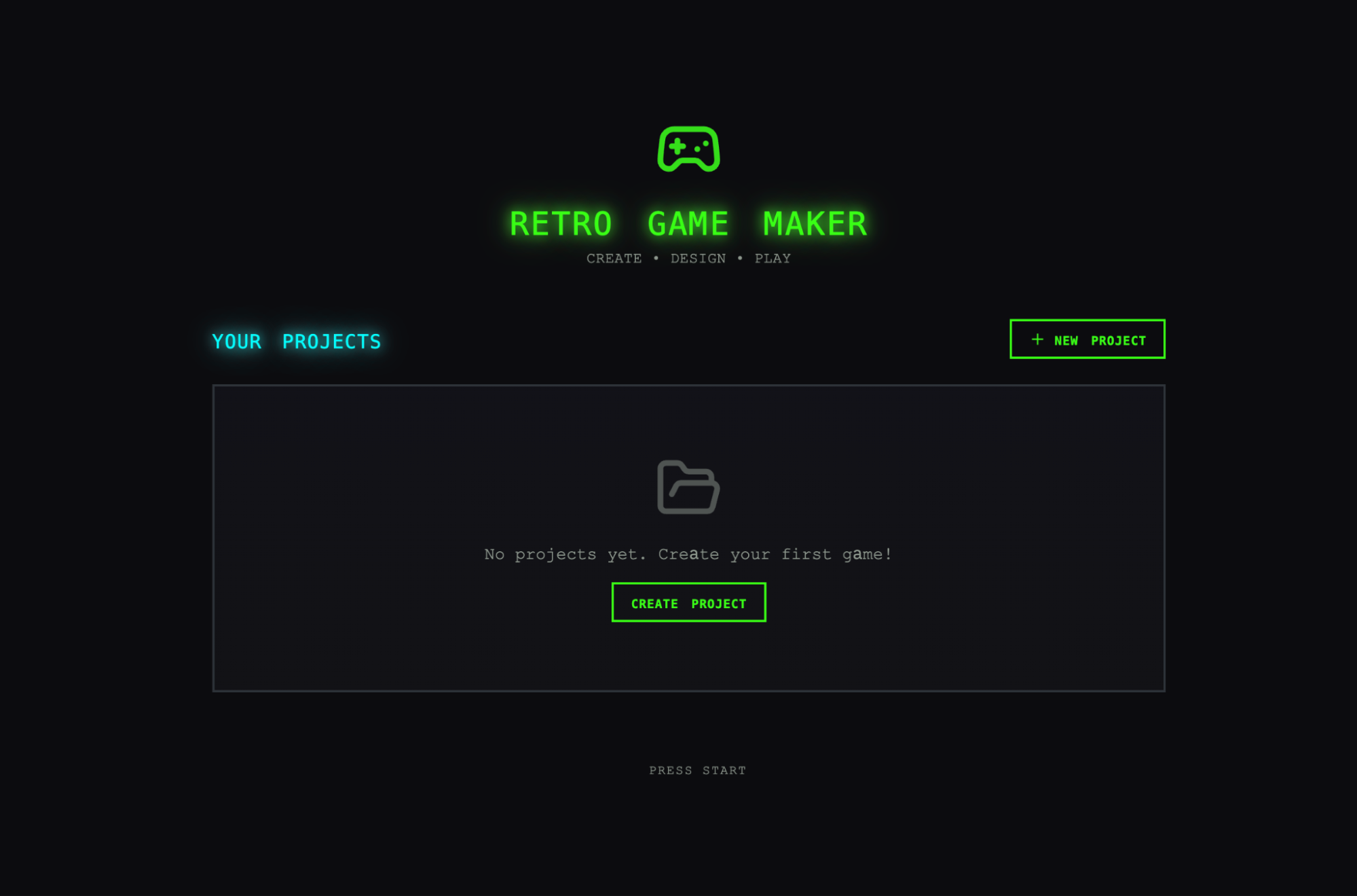
I started by opening the solo run’s output, and the initial application seemed in line with those expectations.
我首先打开了 solo 运行的输出,初始应用程序似乎符合这些期望。
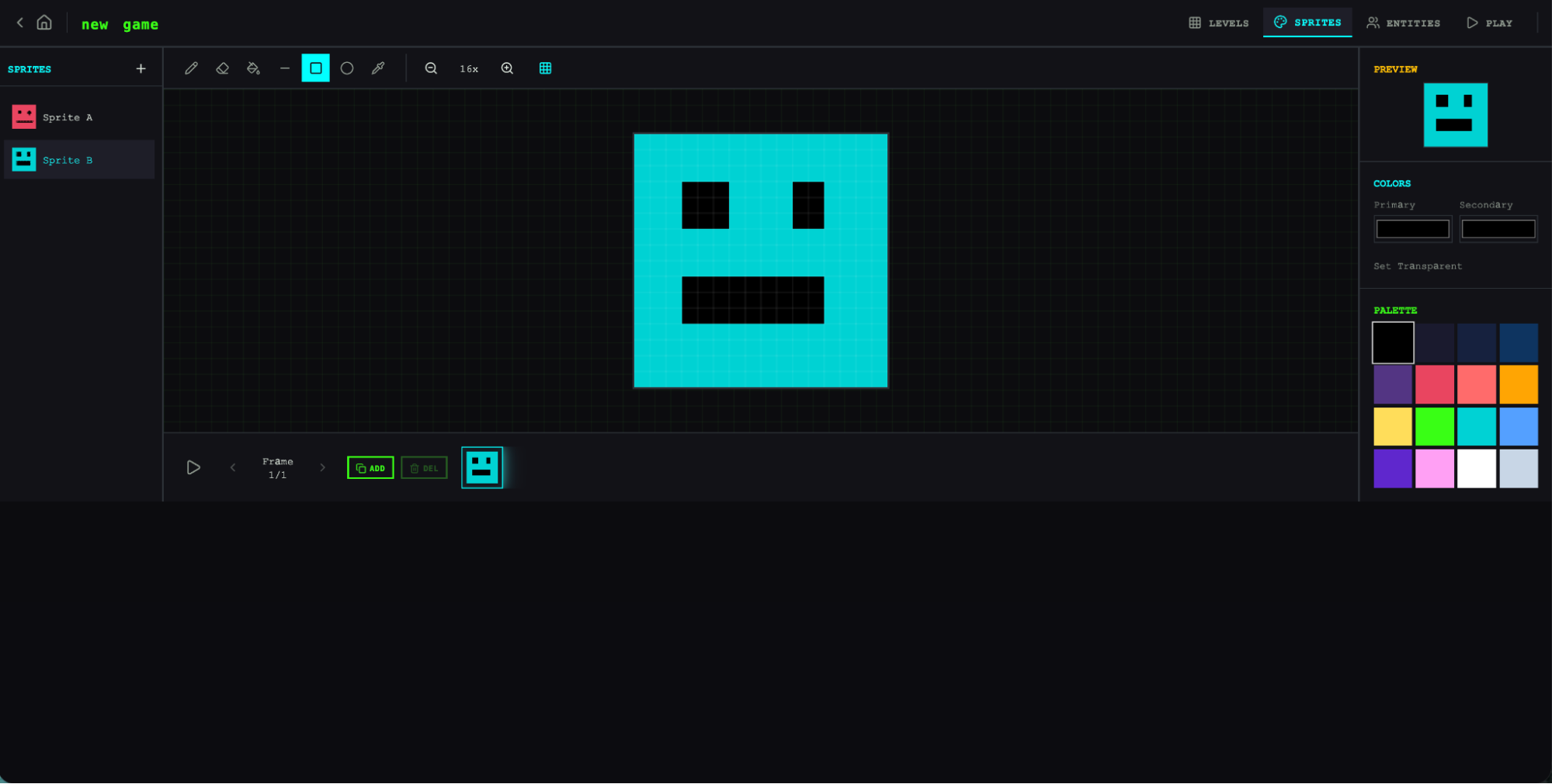
As I clicked through, however, issues started to emerge.
然而,当我点击浏览时,问题开始浮现。
The layout wasted space, with fixed-height panels leaving most of the viewport empty.
布局浪费了空间,固定高度的面板使大部分视口空置。
The workflow was rigid.
工作流程僵化。
Trying to populate a level prompted me to create sprites and entities first, but nothing in the UI guided me toward that sequence.
尝试填充关卡时,提示我先创建精灵和实体,但 UI 中没有任何内容引导我按此顺序操作。
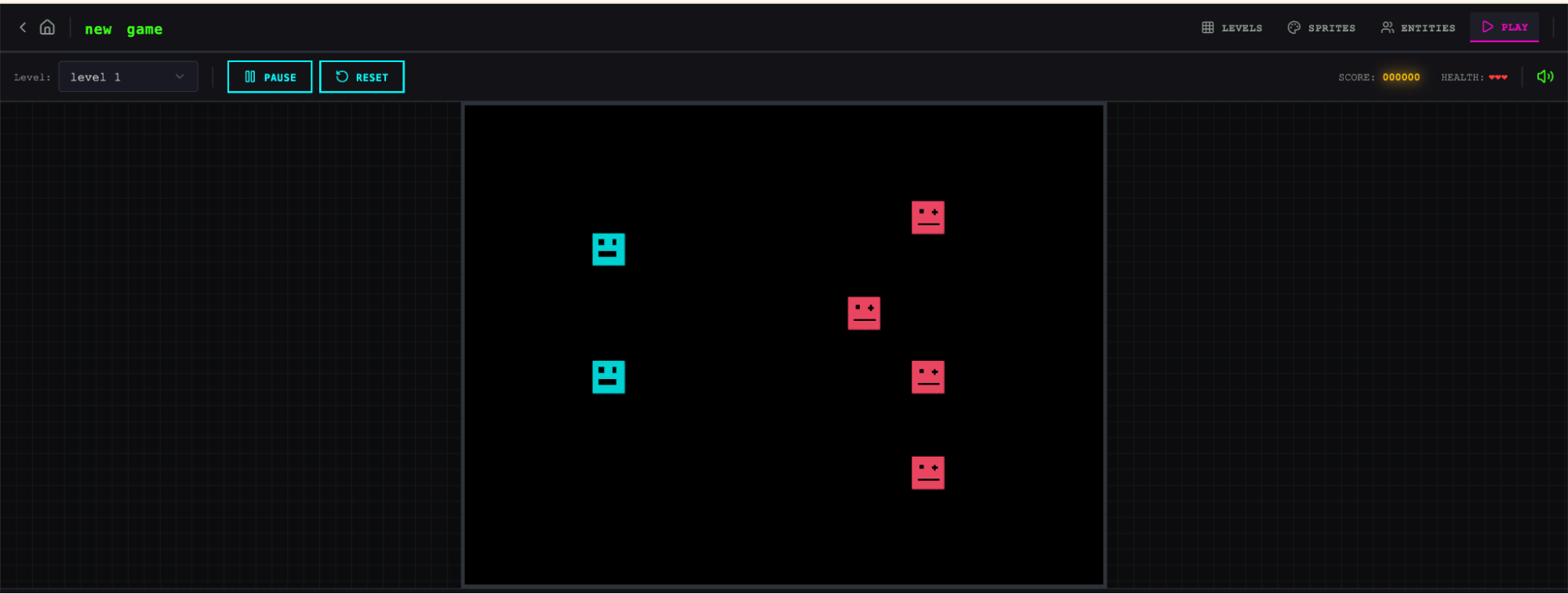
More to the point, the actual game was broken.
更重要的是,实际的游戏无法运行。
My entities appeared on screen but nothing responded to input.
我的实体出现在屏幕上,但没有任何东西响应输入。
Digging into the code revealed that the wiring between entity definitions and the game runtime was broken, with no surface indication of where.
深入代码发现,实体定义和游戏运行时之间的连接是断开的,但表面没有任何指示表明问题出在哪里。
Initial screen when opening the app created by the solo harness.
打开由 solo 框架创建的应用时的初始屏幕。
Creating a sprite in the sprite editor made by the solo harness
在由 solo harness 制作的 sprite 编辑器中创建一个 sprite
Trying unsuccessfully to play the level I created
尝试玩我创建的关卡,但没有成功
After evaluating the solo run, I turned my attention to the harness run.
在评估 solo run 后,我把注意力转向了 harness run。
This run started from the same one-sentence prompt, but the planner step expanded that prompt into a 16-feature spec spread across ten sprints.
这次 run 从同一个一句话提示词开始,但 planner 步骤把该提示词扩展成一份包含 16 项功能、分布在十个 sprint 中的规格。
It went well beyond what the solo run attempted.
它远远超出了 solo run 所尝试的范围。
In addition to the core editors and play mode, the spec called for a sprite animation system, behavior templates, sound effects and music, an AI-assisted sprite generator and level designer, and game export with shareable links.
除了核心编辑器和游玩模式之外,规格还要求有 sprite 动画系统、行为模板、音效和音乐、AI 辅助的 sprite 生成器和关卡设计器,以及带可分享链接的游戏导出。
I gave the planner access to our frontend design skill, which it read and used to create a visual design language for the app as part of the spec.
我让 planner 能够访问我们的前端设计技能,它阅读了该技能,并用其为应用创建了一套视觉设计语言,作为规格的一部分。
For each sprint, the generator and evaluator negotiated a contract defining the specific implementation details for the sprint, and the testable behaviors that would be tested to verify completion.
对于每个 sprint,generator 和 evaluator 协商了一份契约,定义该 sprint 的具体实现细节,以及为验证完成情况而将测试的可测试行为。
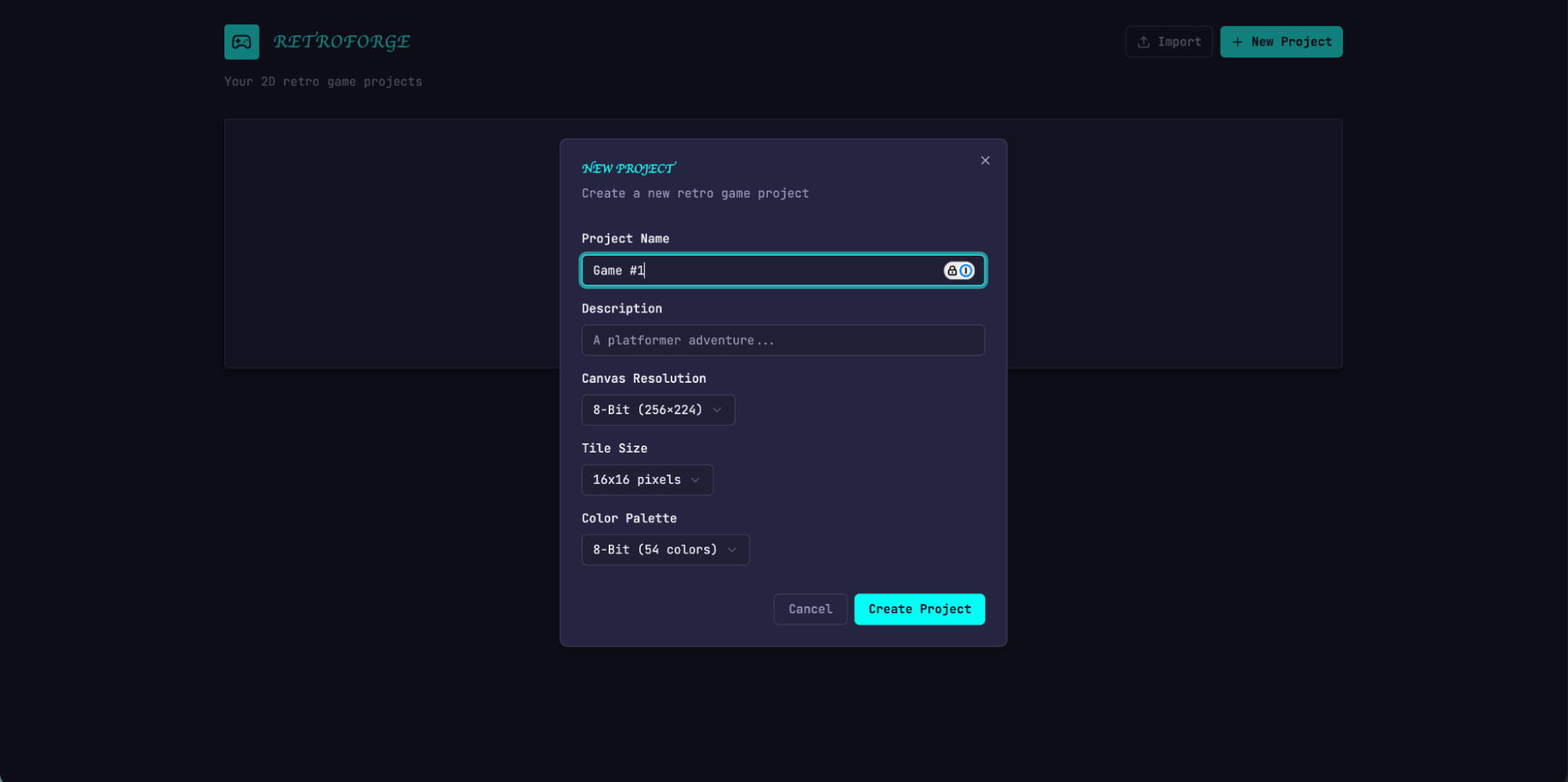
The app immediately showed more polish and smoothness than the solo run.
这个应用立刻表现出比 solo run 更高的完成度和流畅度。
The canvas used the full viewport, the panels were sized sensibly, and the interface had a consistent visual identity that tracked the design direction from the spec.
画布占满了整个视口,面板尺寸合理,界面具有一致的视觉标识,延续了规格中的设计方向。
Some of the clunkiness I'd seen in the solo run did remain—the workflow still didn't make it clear that you should build sprites and entities before trying to populate a level, and I had to figure that out by poking around.
solo run 中看到的一些笨拙之处确实仍然存在——工作流仍然没有明确说明你应该先构建 sprite 和实体,再尝试填充关卡,而我不得不通过四处摸索才弄明白。
This read as a gap in the base model’s product intuition rather than something the harness was designed to address, though it did suggest a place where targeted iteration inside the harness could help to further improve output quality.
这看起来更像是基础模型产品直觉上的缺口,而不是 harness 旨在解决的问题,不过它确实表明,在 harness 内部进行有针对性的迭代,可能有助于进一步提高输出质量。
Working through the editors, the new run's advantages over solo became more apparent.
在使用这些编辑器的过程中,新 run 相对于 solo 的优势变得更加明显。
The sprite editor was richer and more fully featured, with cleaner tool palettes, a better color picker, and more usable zoom controls.
sprite 编辑器更丰富、功能更完整,工具面板更简洁,取色器更好用,缩放控件也更易用。
Because I'd asked the planner to weave AI features into its specs, the app also came with a built-in Claude integration that let me generate different parts of the game through prompting.
因为我让 planner 将 AI 功能融入其规格中,这个应用还内置了 Claude 集成,让我可以通过提示词生成游戏的不同部分。
This significantly sped up the workflow.
这显著加快了工作流。
Initial screen: Creating a new game, in the app built with the full harness
初始界面:在使用完整框架构建的应用中创建新游戏
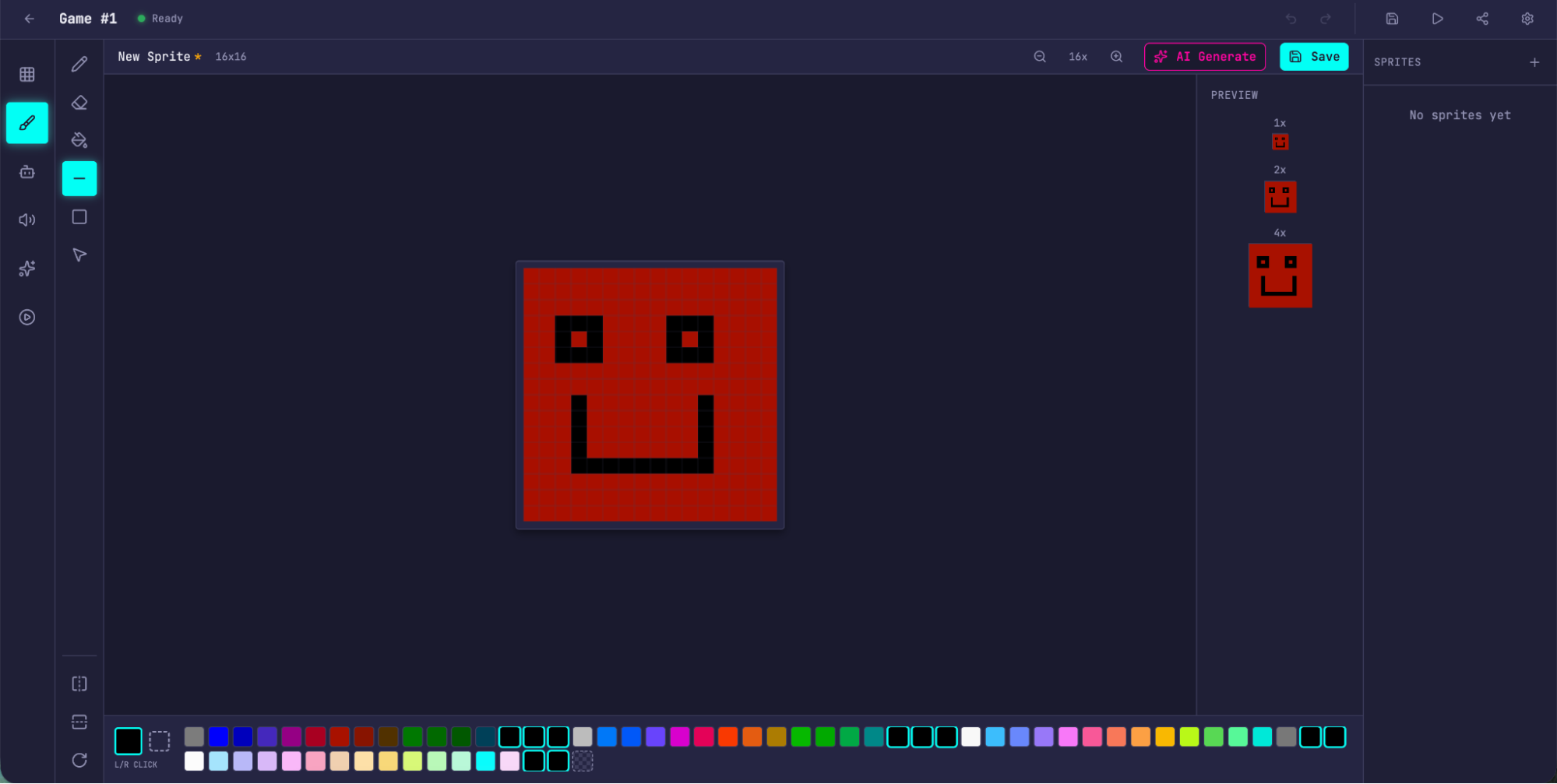
The sprite editor felt cleaner and easier to use
精灵编辑器感觉更简洁、更易用
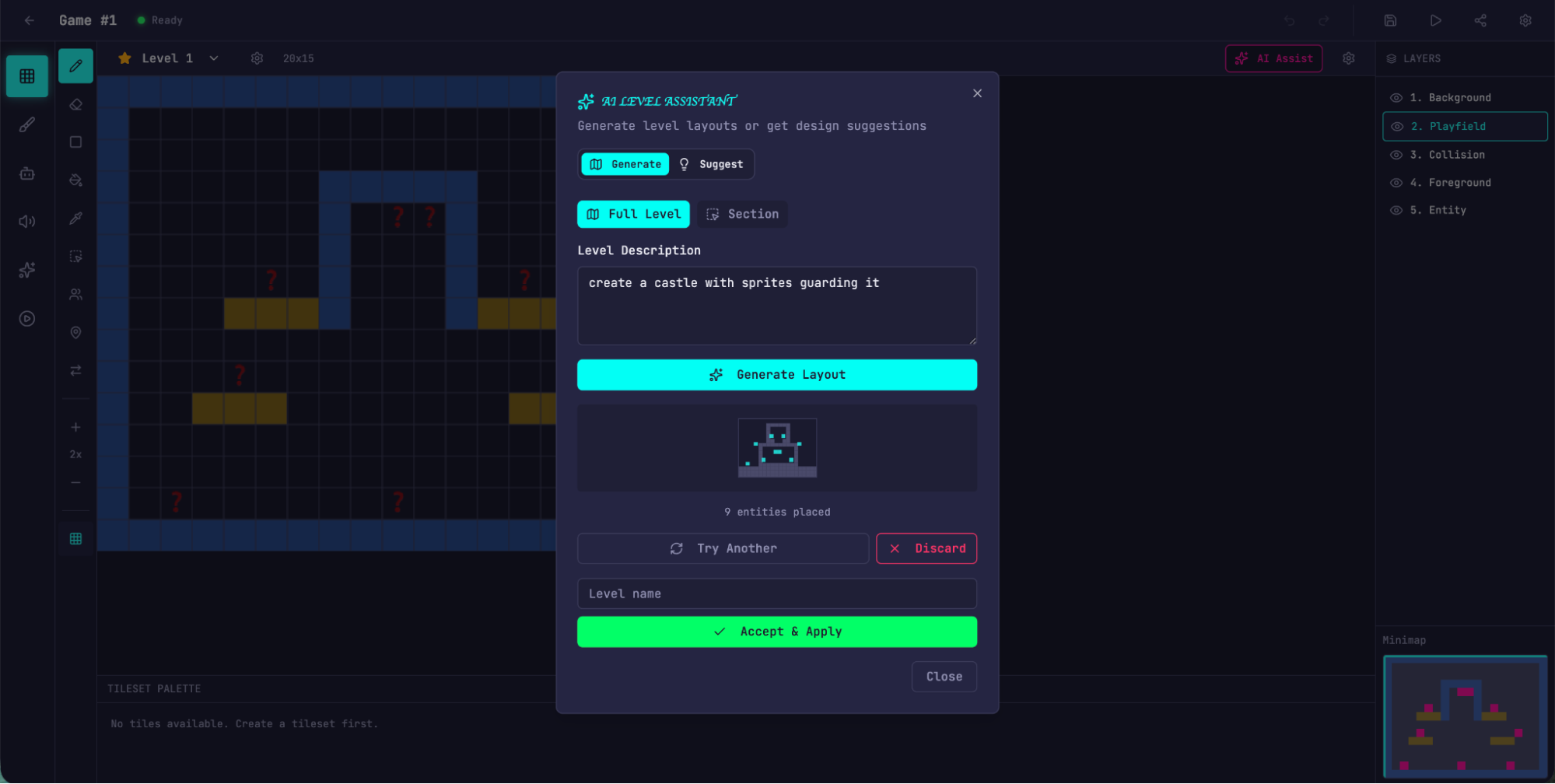
Using the built in AI feature to generate the level
使用内置 AI 功能生成关卡
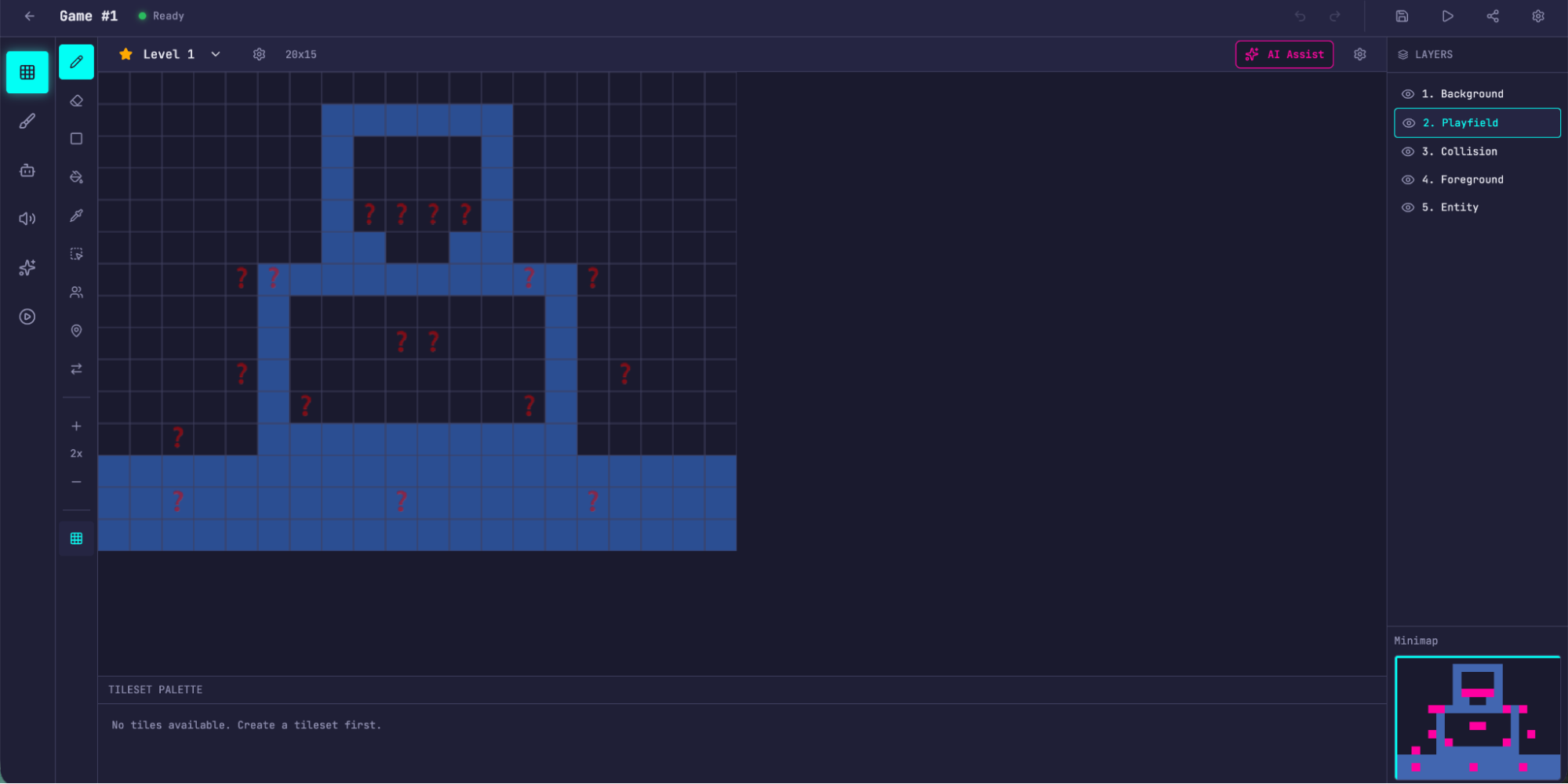
Using the built in AI feature to generate the level
使用内置 AI 功能生成关卡
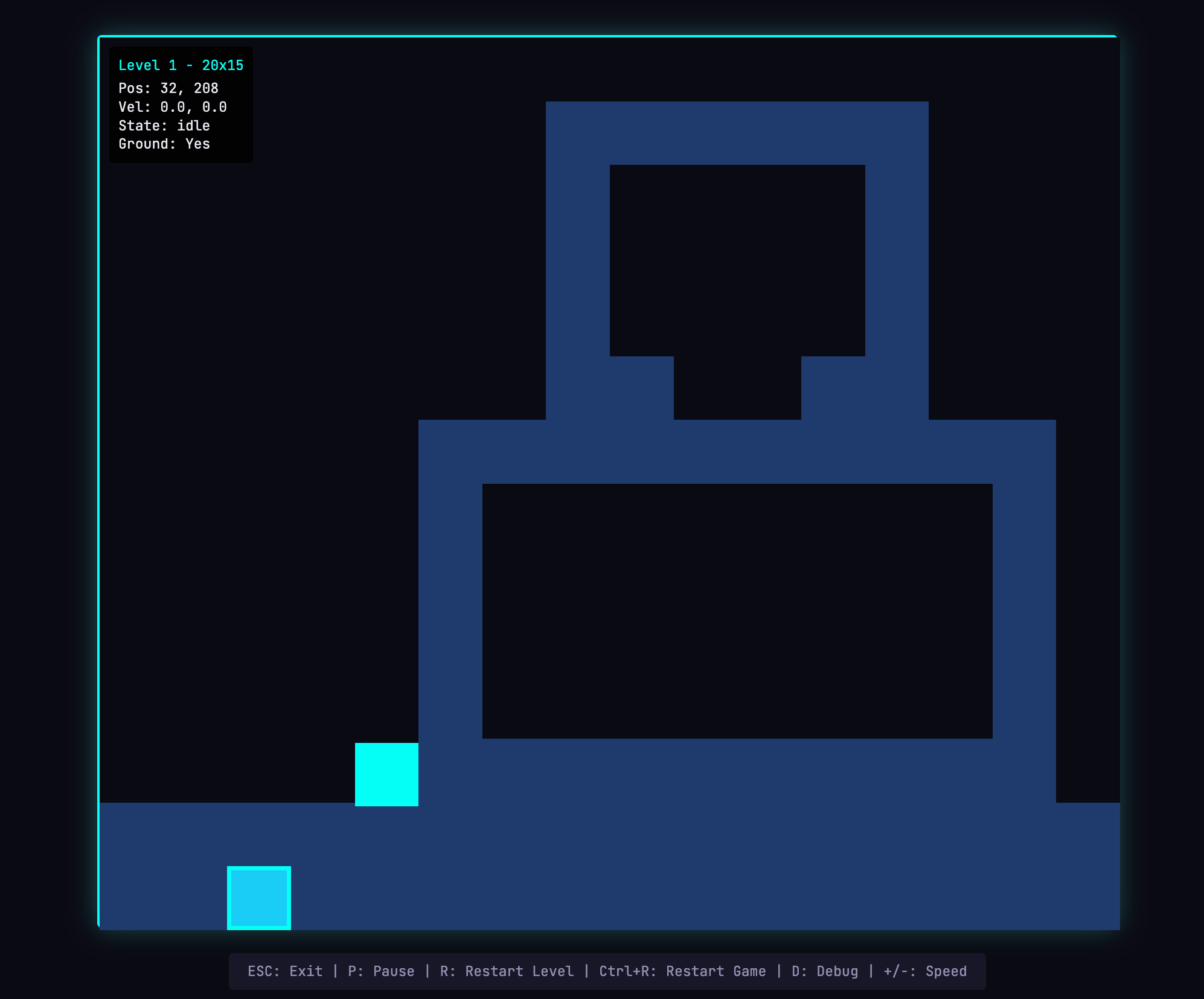
Playing the game I generated
试玩我生成的游戏
The biggest difference was in play mode.
最大的区别在于游玩模式。
I was actually able to move my entity and play the game.
我实际上能够移动我的实体并玩这款游戏。
The physics had some rough edges—my character jumped onto a platform but ended up overlapping with it, which felt intuitively wrong—but the core thing worked, which the solo run did not manage.
物理效果有些粗糙——我的角色跳到平台上,结果却与平台重叠了,这直觉上感觉不对——但核心功能是能用的,而单独运行(solo run)没能做到这一点。
After moving around a bit, I did hit some limitations with the AI’s game level construction.
在移动了一会儿之后,我确实遇到了 AI 构建游戏关卡方面的一些限制。
There was a large wall that I wasn’t able to jump past, so I was stuck.
有一堵大墙,我跳不过去,所以就被卡住了。
This suggested there were some common sense improvements and edge cases that the harness could handle to further refine the app.
这表明还有一些常识性改进和边缘情况,框架可以处理它们来进一步完善这个应用。
Reading through the logs, it was clear that the evaluator kept the implementation in line with the spec.
通读日志后,可以清楚看到,评估器让实现始终符合规格。
Each sprint, it walked through the sprint contract's test criteria and exercised the running application through Playwright, filing bugs against anything that diverged from expected behavior.
每个 sprint,它都会逐条检查 sprint 合约(sprint contract)的测试标准,并通过 Playwright 操作正在运行的应用,对任何偏离预期行为的地方提交 bug。
The contracts were granular—Sprint 3 alone had 27 criteria covering the level editor—and the evaluator's findings were specific enough to act on without extra investigation.
这些合约颗粒度很细——仅 Sprint 3 就有 27 条覆盖关卡编辑器(level editor)的标准——而且评估器的发现足够具体,无需额外调查即可采取行动。
The table below shows several examples of issues our evaluator identified:
下表展示了我们的评估器识别出的几个问题示例:
Contract criterion
合约标准
Evaluator finding
评估器发现
Rectangle fill tool allows click-drag to fill a rectangular area with selected tile
矩形填充工具允许通过点击拖拽用选中的图块填充矩形区域
FAIL — Tool only places tiles at drag start/end points instead of filling the region. fillRectangle function exists but isn't triggered properly on mouseUp.
FAIL — 工具只在拖拽起点/终点放置图块,而不是填充该区域。fillRectangle 函数存在,但在 mouseUp 时没有被正确触发。
User can select and delete placed entity spawn points
用户可以选择并删除已放置的实体生成点
FAIL — Delete key handler at LevelEditor.tsx:892 requires both selection and selectedEntityIdto be set, but clicking an entity only sets selectedEntityId.
FAIL — LevelEditor.tsx:892 处的 Delete 键处理程序要求同时设置 selection 和 selectedEntityId,但点击实体只会设置 selectedEntityId。
Condition should be selection || (selectedEntityId && activeLayer === 'entity').
条件应为 selection || (selectedEntityId && activeLayer === 'entity')。
User can reorder animation frames via API
用户可以通过 API 重新排序动画帧
FAIL — PUT /frames/reorder route defined after /{frame_id} routes.
FAIL — PUT /frames/reorder 路由定义在 /{frame_id} 路由之后。
FastAPI matches 'reorder' as a frame_id integer and returns 422: "unable to parse string as an integer."
FastAPI 将 'reorder' 匹配为 frame_id 整数,并返回 422:“unable to parse string as an integer.”
Getting the evaluator to perform at this level took work.
让评估器达到这种水平需要付出努力。
Out of the box, Claude is a poor QA agent.
开箱即用时,Claude 是一个糟糕的 QA 智能体。
In early runs, I watched it identify legitimate issues, then talk itself into deciding they weren't a big deal and approve the work anyway.
在早期运行中,我看着它识别出真正的问题,然后又说服自己认为这些问题不算什么,最终还是批准了工作。
It also tended to test superficially, rather than probing edge cases, so more subtle bugs often slipped through.
它还倾向于表面测试,而不是深入探查边缘情况,因此更隐蔽的 bug 常常漏掉。
The tuning loop was to read the evaluator's logs, find examples where its judgment diverged from mine, and update the QAs prompt to solve for those issues.
调优循环是阅读评估器的日志,找出其判断与我不同的例子,并更新 QA 的提示词来解决这些问题。
It took several rounds of this development loop before the evaluator was grading in a way that I found reasonable.
经过这个开发循环的几轮迭代后,评估器的评分方式才达到我认为合理的程度。
Even then, the harness output showed the limits of the model’s QAing capabilities: small layout issues, interactions that felt unintuitive in places, and undiscovered bugs in more deeply nested features that the evaluator hadn't exercised thoroughly.
即便如此,框架的输出仍显示出模型 QA 能力的局限:小的布局问题、某些地方感觉不直观的交互,以及评估器没有彻底演练过的更深层嵌套功能中未被发现的 bug。
There was clearly more verification headroom to capture with further tuning.
显然还有更多验证提升空间可通过进一步调优来获取。
But compared to the solo run, where the central feature of the application simply didn't work, the lift was obvious.
但与 solo run 相比——在那次运行中,应用的核心功能根本无法工作——提升是显而易见的。
The first set of harness results was encouraging, but it was also bulky, slow, and expensive.
第一组框架结果令人鼓舞,但它也庞大、缓慢且昂贵。
The logical next step was to find ways to simplify the harness without degrading its performance.
合乎逻辑的下一步是找到简化框架又不降低其性能的方法。
This was partly common sense and partly a function of a more general principle: every component in a harness encodes an assumption about what the model can't do on its own, and those assumptions are worth stress testing, both because they may be incorrect, and because they can quickly go stale as models improve.
这在一定程度上是常识,在一定程度上也源于一条更普遍的原则:框架中的每个组件都编码了一个关于模型自己做不到什么的假设,而这些假设值得进行压力测试,既因为它们可能是错误的,也因为随着模型改进它们可能很快过时。
Our blog post Building Effective Agents frames the underlying idea as "find the simplest solution possible, and only increase complexity when needed," and it's a pattern that shows up consistently for anyone maintaining an agent harness.
我们的博文 Building Effective Agents 将底层理念概括为“尽可能找到最简单的解决方案,只在需要时才增加复杂度”,而且对任何维护智能体框架的人来说,这是一种会持续出现的模式。
In my first attempt to simplify, I cut the harness back radically and tried a few creative new ideas, but I wasn't able to replicate the performance of the original.
在我第一次尝试简化时,我大幅削减了框架,并尝试了一些有创意的新想法,但我无法复现原始版本的性能。
It also became difficult to tell which pieces of the harness design were actually load-bearing, and in what ways.
也很难判断框架设计中哪些部分实际上是承重的,以及以何种方式承重。
Based on that experience, I moved to a more methodical approach, removing one component at a time and reviewing what impact it had on the final result.
基于那次经验,我转向了一种更有条理的方法,一次移除一个组件,并审视它对最终结果产生了什么影响。
As I was going through these iteration cycles, we also released Opus 4.6, which provided further motivation to reduce harness complexity.
在我经历这些迭代周期时,我们还发布了 Opus 4.6,这进一步促使我降低框架复杂度。
There was good reason to expect 4.6 would need less scaffolding than 4.5 did.
有充分理由预期 4.6 会比 4.5 需要更少的脚手架。
From our launch blog: "[Opus 4.6] plans more carefully, sustains agentic tasks for longer, can operate more reliably in larger codebases, and has better code review and debugging skills to catch its own mistakes."
摘自我们的发布博文:“[Opus 4.6] 规划得更仔细,能更长时间持续执行智能体任务,能在更大的代码库中更可靠地运行,并具有更好的代码审查和调试能力来发现自己的错误。”
It also improved substantially on long-context retrieval.
它在长上下文检索方面也有大幅提升。
These were all capabilities the harness had been built to supplement.
这些都是框架原本被构建来补足的能力。
I started by removing the sprint construct entirely.
我首先彻底移除了 sprint 构造。
The sprint structure had helped to decompose work into chunks for the model to work coherently.
sprint 结构曾帮助把工作分解成块,以便模型连贯地工作。
Given the improvements in Opus 4.6, there was good reason to believe that the model could natively handle the job without this sort of decomposition.
鉴于 Opus 4.6 的改进,有充分理由相信模型可以原生处理这项工作,而无需这种分解。
I kept both the planner and evaluator, as each continued to add obvious value.
我保留了规划器和评估器,因为二者都继续带来明显的价值。
Without the planner, the generator under-scoped: given the raw prompt, it would start building without first speccing its work, and end up creating a less feature-rich application than the planner did.
没有规划器,生成器会设定过小范围:给定原始提示词,它会不先明确工作规格就开始构建,最终创建出的应用比有规划器时功能更少。
With the sprint construct removed, I moved the evaluator to a single pass at the end of the run rather than grading per sprint.
移除 sprint 构造后,我把评估器改为在运行结束时进行单次评估,而不是按每个 sprint 打分。
Since the model was much more capable, it changed how load-bearing the evaluator was for certain runs, with its usefulness depending on where the task sat relative to what the model could do reliably on its own.
由于模型能力大大增强,评估器在某些运行中有多承重也发生了变化,其有用性取决于任务相对于模型能独自可靠完成的事情处在什么位置。
On 4.5, that boundary was close: our builds were at the edge of what the generator could do well solo, and the evaluator caught meaningful issues across the build.
在 4.5 上,这个边界很近:我们的构建处在生成器独自运行所能做好的边缘,而评估器在整个构建过程中捕获了有意义的问题。
On 4.6, the model's raw capability increased, so the boundary moved outward.
在 4.6 上,模型的原始能力提高了,所以这个边界向外移动了。
Tasks that used to need the evaluator's check to be implemented coherently were now often within what the generator handled well on its own, and for tasks within that boundary, the evaluator became unnecessary overhead.
过去需要评估器检查才能连贯实现的任务,如今往往已落在生成器能独自处理好的范围内,而对于该边界内的任务,评估器变成了不必要的开销。
But for the parts of the build that were still at the edge of the generator’s capabilities, the evaluator continued to give real lift.
但对于构建中仍处在生成器能力边缘的部分,评估器继续带来真正的提升。
The practical implication is that the evaluator is not a fixed yes-or-no decision.
实际意义在于,评估器并不是一个固定的“是或否”判断。
It is worth the cost when the task sits beyond what the current model does reliably solo.
当任务超出当前模型能可靠独立完成的范围时,这个成本就是值得的。
Alongside the structural simplification, I also added prompting to improve how the harness built AI features into each app, specifically getting the generator to build a proper agent that could drive the app's own functionality through tools.
除了结构上的简化,我还增加了提示词,以改进框架将 AI 功能构建到每个应用中的方式,具体来说是让生成器构建一个合适的智能体,能够通过工具驱动应用自身的功能。
That took real iteration, since the relevant knowledge is recent enough that Claude's training data covers it thinly.
这经历了大量迭代,因为相关知识足够新,Claude 的训练数据对其覆盖很薄弱。
But with enough tuning, the generator was building agents correctly.
但经过足够的调优,生成器能够正确地构建智能体了。
To put the updated harness to the test, I used the following prompt to generate a Digital Audio Workstation (DAW), a music production program for composing, recording, and mixing songs:
为了测试更新后的框架,我使用了以下提示词来生成一个数字音频工作站(DAW),这是一个用于作曲、录音和混音的音乐制作程序:
Build a fully featured DAW in the browser using the Web Audio API.
使用 Web Audio API 在浏览器中构建一个功能齐全的 DAW。
The run was still lengthy and expensive, at about 4 hours and $124 in token costs.
这次运行仍然耗时且昂贵,大约 4 小时,token 成本为 124 美元。
Most of the time went to the builder, which ran coherently for over two hours without the sprint decomposition that Opus 4.5 had needed.
大部分时间花在了构建器上,它连贯运行了两个多小时,而不需要 Opus 4.5 曾经需要的 sprint 分解。
Agent & Phase
智能体与阶段
Duration
耗时
Cost
成本
Planner
Planner
4.7 min
4.7 分钟
$0.46
$0.46
Build (Round 1)
构建(第 1 轮)
2 hr 7 min
2 小时 7 分钟
$71.08
$71.08
QA (Round 1)
QA(第 1 轮)
8.8 min
8.8 分钟
$3.24
$3.24
Build (Round 2)
构建(第 2 轮)
1 hr 2 min
1 小时 2 分钟
$36.89
$36.89
QA (Round 2)
QA(第 2 轮)
6.8 min
6.8 分钟
$3.09
$3.09
Build (Round 3)
Build (Round 3)
10.9 min
10.9 分钟
$5.88
$5.88
QA (Round 3)
QA
9.6 min
9.6 分钟
$4.06
$4.06
Total V2 Harness
Total V2 Harness
3 hr 50 min
3 小时 50 分钟
$124.70
$124.70
As with the previous harness, the planner expanded the one-line prompt into a full spec.
与之前的框架一样,Planner 将一行提示词扩展为完整的规格(spec)。
From the logs, I could see the generator model did a good job planning the app and the agent design, wiring the agent up, and testing it before handing off to QA.
从日志中,我可以看到生成器模型在规划应用和智能体设计、连接智能体以及在移交给 QA 之前进行测试方面做得很好。
That being said, the QA agent still caught real gaps.
话虽如此,QA 智能体仍然发现了真正的差距。
In its first-round feedback, it noted:
在其第一轮反馈中,它指出:
This is a strong app with excellent design fidelity, solid AI agent, and good backend.
这是一个强大的应用,具有出色的设计保真度、可靠的 AI 智能体和良好的后端。
The main failure point is Feature Completeness — while the app looks impressive and the AI integration works well, several core DAW features are display-only without interactive depth: clips can't be dragged/moved on the timeline, there are no instrument UI panels (synth knobs, drum pads), and no visual effect editors (EQ curves, compressor meters).
主要的失败点是功能完整性——虽然应用看起来令人印象深刻,AI 集成效果很好,但几个核心 DAW 功能只是显示性的,没有交互深度:剪辑无法在时间轴上拖动/移动,没有乐器 UI 面板(合成器旋钮、鼓垫),也没有视觉效果编辑器(EQ 曲线、压缩器表)。
These aren't edge cases — they're the core interactions that make a DAW usable, and the spec explicitly calls for them.
这些不是边缘情况——它们是使 DAW 可用的核心交互,而规格明确要求它们。
In its second round feedback, it again caught several functionality gaps:
在第二轮的反馈中,它再次发现了几个功能缺口:
Remaining gaps: - Audio recording is still stub-only (button toggles but no mic capture) - Clip resize by edge drag and clip split not implemented - Effect visualizations are numeric sliders, not graphical (no EQ curve)
剩余差距: - 音频录制仍仅有存根(按钮可切换,但没有麦克风采集) - 通过边缘拖拽调整片段大小和片段拆分尚未实现 - 效果可视化是数值滑块,而非图形化(没有 EQ 曲线)
The generator was still liable to miss details or stub features when left to its own devices, and the QA still added value in catching those last mile issues for the generator to fix.
生成器在任其自行处理时仍然容易遗漏细节或只做存根功能,而 QA 仍然具有价值,能够捕获这些最后一公里问题,供生成器修复。
Based on the prompt, I was expecting a program where I could create melodies, harmonies, and drum patterns, arrange them into a song, and get help from an integrated agent along the way.
基于该提示词,我原本期待一个程序,在其中我可以创建旋律、和声与鼓点模式,将它们编排成一首歌,并在过程中从一个集成智能体那里获得帮助。
The video below shows the result.
下面的视频展示了结果。
The app is far from a professional music production program, and the agent's song composition skills could clearly use a lot of work.
这个应用远非专业的音乐制作程序,而且该智能体的歌曲创作能力显然还需要大量改进。
Additionally, Claude can’t actually hear, which made the QA feedback loop less effective with respect to musical taste.
此外,Claude 实际上无法听见,这使得 QA 反馈循环在音乐品味方面不那么有效。
But the final app had all the core pieces of a functional music production program: a working arrangement view, mixer, and transport running in the browser.
但最终的应用具备了一个可用的音乐制作程序的全部核心部分:一个可工作的编排视图、混音器和走带控制,都在浏览器中运行。
Beyond that, I was able to put together a short song snippet entirely through prompting: the agent set the tempo and key, laid down a melody, built a drum track, adjusted mixer levels, and added reverb.
除此之外,我能够完全通过提示词组合出一段简短的歌曲片段:智能体设置了速度和调性,铺了一段旋律,构建了一条鼓轨,调整了混音器电平,并添加了混响。
The core primitives for song composition were present, and the agent could drive them autonomously, using tools to create a simple production from end to end.
歌曲创作的核心原语已经具备,智能体可以自主驱动它们,使用工具端到端地创建一段简单的作品。
You might say it’s not pitch-perfect yet—but it’s getting there.
你可能会说它还没有达到完美音准——但它正在接近。
As models continue to improve, we can roughly expect them to be capable of working for longer, and on more complex tasks.
随着模型不断改进,我们可以大致预期它们能够工作更长时间,处理更复杂的任务。
In some cases, that will mean the scaffold surrounding the model matters less over time, and developers can wait for the next model and see certain problems solve themselves.
在某些情况下,这意味着围绕模型的脚手架会随时间变得不那么重要,开发者可以等待下一个模型发布,看着某些问题自行解决。
On the other hand, the better the models get, the more space there is to develop harnesses that can achieve complex tasks beyond what the model can do at baseline.
另一方面,模型越强,可供开发框架的空间就越大,这些框架能够完成超出模型基线能力的复杂任务。
With this in mind, there are a few lessons from this work worth carrying forward.
考虑到这一点,这项工作中有几条经验值得延续。
It is always good practice to experiment with the model you're building against, read its traces on realistic problems, and tune its performance to achieve your desired outcomes.
始终值得做的是:拿你所针对的模型做实验,阅读它在真实问题上的轨迹(trace),并调优其表现以达到你想要的结果。
When working on more complex tasks, there is sometimes headroom from decomposing the task and applying specialized agents to each aspect of the problem.
在处理更复杂的任务时,把任务分解、并针对问题的每个方面使用专门的智能体,有时能带来额外的提升空间。
And when a new model lands, it is generally good practice to re-examine a harness, stripping away pieces that are no longer load-bearing to performance and adding new pieces to achieve greater capability that may not have been possible before.
而当新模型发布时,通常的好做法是重新审视框架,去掉那些对性能不再起支撑作用的部分,并加入新组件以实现此前可能无法达到的更强能力。
From this work, my conviction is that the space of interesting harness combinations doesn't shrink as models improve.
从这项工作中,我确信:有趣的框架组合空间并不会随着模型改进而缩小。
Instead, it moves, and the interesting work for AI engineers is to keep finding the next novel combination.
相反,它会移动,而 AI 工程师有意思的工作就是不断找到下一个新颖的组合。
Special thanks to Mike Krieger, Michael Agaby, Justin Young, Jeremy Hadfield, David Hershey, Julius Tarng, Xiaoyi Zhang, Barry Zhang, Orowa Sidker, Michael Tingley, Ibrahim Madha, Martina Long, and Canyon Robbins for their contributions to this work.
特别感谢 Mike Krieger、Michael Agaby、Justin Young、Jeremy Hadfield、David Hershey、Julius Tarng、Xiaoyi Zhang、Barry Zhang、Orowa Sidker、Michael Tingley、Ibrahim Madha、Martina Long 和 Canyon Robbins 对这项工作的贡献。
Thanks also to Jake Eaton, Alyssa Leonard, and Stef Sequeira for their help shaping the post.
还要感谢 Jake Eaton、Alyssa Leonard 和 Stef Sequeira 帮助打磨这篇文章。
Example plan generated by planner agent.
由 planner agent 生成的示例计划。
RetroForge - 2D Retro Game Maker

Overview
RetroForge is a web-based creative studio for designing and building 2D retro-style video games. It combines the nostalgic charm of classic 8-bit and 16-bit game aesthetics with modern, intuitive editing tools—enabling anyone from hobbyist creators to indie developers to bring their game ideas to life without writing traditional code.

The platform provides four integrated creative modules: a tile-based Level Editor for designing game worlds, a pixel-art Sprite Editor for crafting visual assets, a visual Entity Behavior system for defining game logic, and an instant Playable Test Mode for real-time gameplay testing. By weaving AI assistance throughout (powered by Claude), RetroForge accelerates the creative process—helping users generate sprites, design levels, and configure behaviors through natural language interaction.

RetroForge targets creators who love retro gaming aesthetics but want modern conveniences. Whether recreating the platformers, RPGs, or action games of their childhood, or inventing entirely new experiences within retro constraints, users can prototype rapidly, iterate visually, and share their creations with others.

Features
1. Project Dashboard & Management
The Project Dashboard is the home base for all creative work in RetroForge. Users need a clear, organized way to manage their game projects—creating new ones, returning to works-in-progress, and understanding what each project contains at a glance.

User Stories: As a user, I want to:

- Create a new game project with a name and description, so that I can begin designing my game
- See all my existing projects displayed as visual cards showing the project name, last modified date, and a thumbnail preview, so that I can quickly find and continue my work
- Open any project to enter the full game editor workspace, so that I can work on my game
- Delete projects I no longer need, with a confirmation dialog to prevent accidents, so that I can keep my workspace organized
- Duplicate an existing project as a starting point for a new game, so that I can reuse my previous work

Project Data Model: Each project contains:

Project metadata (name, description, created/modified timestamps)
Canvas settings (resolution: e.g., 256x224, 320x240, or 160x144)
Tile size configuration (8x8, 16x16, or 32x32 pixels)
Color palette selection
All associated sprites, tilesets, levels, and entity definitions

...